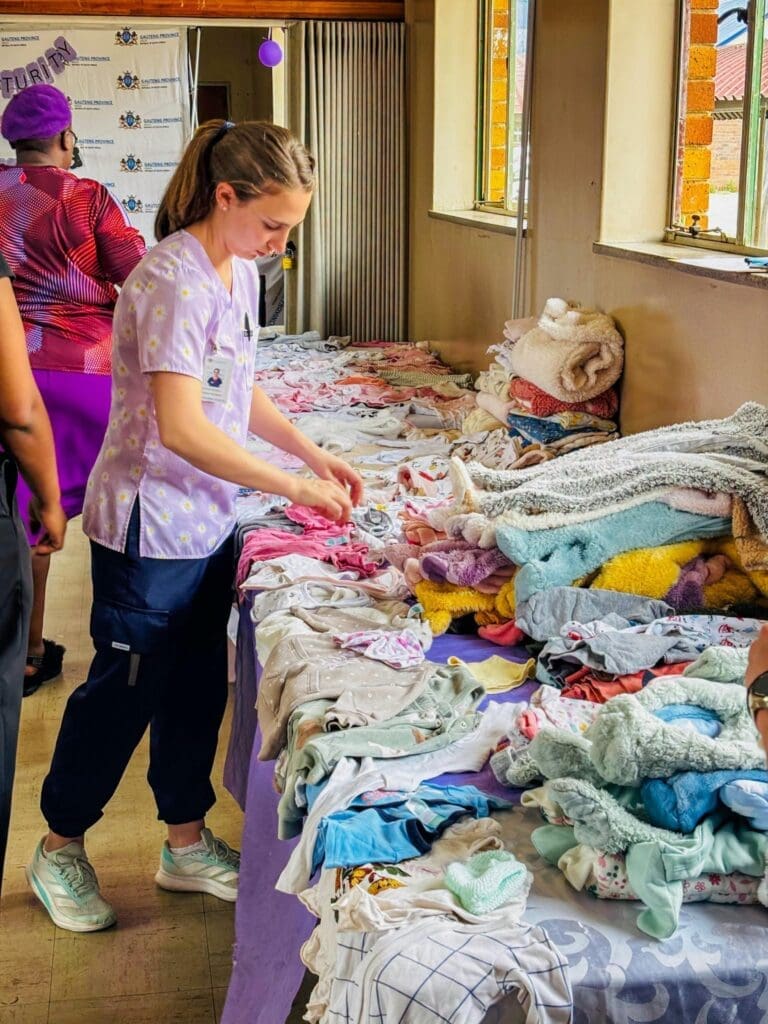
For mothers of premature babies, taking their newborns home from hospital is a major success, but the journey to ensuring their healthy development does not end at discharge.
This was the key message shared during a World Prematurity Day commemoration hosted by Heidelberg Hospital’s Clinical Support and Therapeutic Services on Tuesday, 17 November, where healthcare professionals highlighted the importance of continued medical care for babies born prematurely.
Held under the theme “Small Babies, Big Potential: Invest in Follow-up Care to Protect Their Future”, the event brought together mothers, patients and healthcare workers to discuss the challenges of premature birth and the support families need.
Dr Nomkhosi Kunene urged mothers to remain committed to follow-up appointments, explaining that monitoring a baby’s growth and development after discharge is essential. She also acknowledged the emotional and practical challenges faced by families caring for premature newborns.
Hearing problems were another concern raised during the session. An audiologist explained that hearing loss can go unnoticed in babies, making early assessments important for identifying potential difficulties.
Dietitian Nothando Mthembu highlighted the role of exclusive breastfeeding in supporting premature babies’ health. She explained that breast milk provides essential nutrients, strengthens the immune system and helps reduce the risk of infections.
Mothers were also encouraged to follow medical guidance on feeding and medication, particularly during the early stages of their babies’ development.
A speech therapist reminded parents that communication begins long before a child speaks their first word. The session explored early milestones such as babbling and how parents can encourage language development through everyday interaction.
Sister Nontobeko Nkonyane warned that premature babies are particularly vulnerable to infections because their immune systems are not fully developed. She also discussed factors that may contribute to premature births and the importance of healthy practices during pregnancy.
Matron Tebogo Ramahlo encouraged both mothers and fathers to practise Kangaroo Mother Care (KMC), which involves holding a newborn against the parent’s bare chest.
She explained that skin-to-skin contact helps keep premature babies warm and supports their growth and development. Ramahlo also educated mothers about jaundice, a condition that causes yellowing of the skin and eyes, and the importance of recognising its symptoms.
Beyond the medical advice, the commemoration gave mothers an opportunity to share their personal experiences of premature birth, including the difficulties and emotional challenges of caring for vulnerable newborns.
Their stories added a personal dimension to the awareness programme, highlighting the importance of family support alongside professional medical care.
The event reinforced a central message: while leaving hospital is an important achievement for a premature baby, continued medical monitoring and parental involvement remain essential to protecting their future.