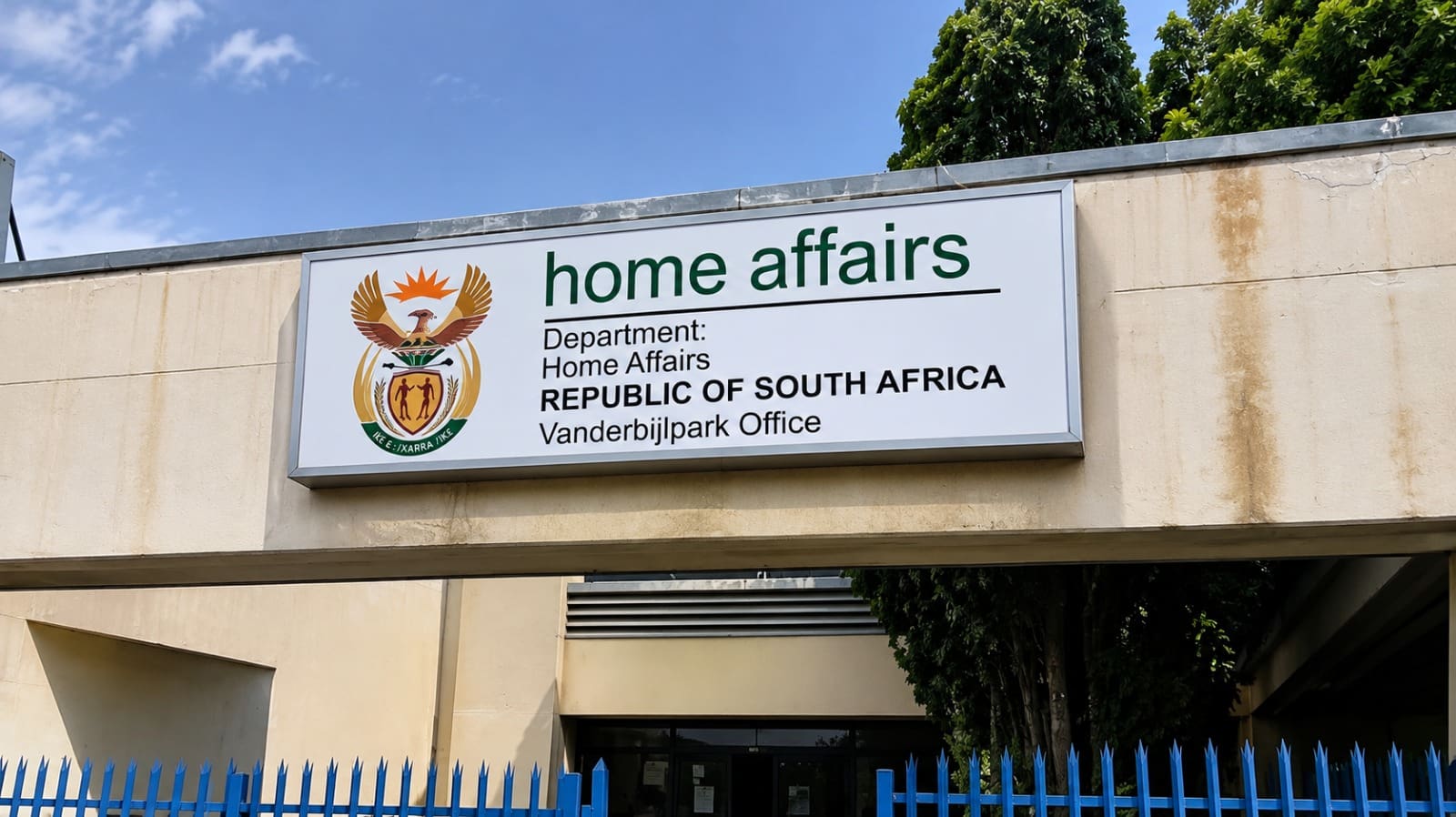
The Department of Home Affairs has launched the first phase of a new Digital Asylum System aimed at reducing lengthy processing delays, addressing longstanding backlogs and strengthening immigration controls in South Africa.
Announced on Tuesday, 10 November, the new online platform allows individuals seeking asylum to digitally register their intention to apply, marking the beginning of a broader digital transformation of the country’s asylum and refugee processes. The system is currently live for an initial batch of test cases, with public registration expected to begin after the department’s next scheduled software release this coming weekend.
According to Home Affairs, the platform requires prospective asylum seekers to submit personal information, facial biometrics and supporting documents through the online portal. However, the department has stressed that registering an intention to seek asylum does not amount to a formal asylum application and does not automatically grant asylum, refugee status or South African citizenship.
Applicants will still be required to complete the formal asylum application process in accordance with South African law. The first phase is intended to help the department establish anticipated application volumes, allocate resources and prepare for the introduction of additional digital services.
Subsequent phases will introduce appointment scheduling, further biometric verification and checks against existing Home Affairs records. The system is also expected to incorporate artificial intelligence and machine learning tools to speed up the processing of applications and appeals.Home Affairs says the technology will help address an asylum appeals backlog that has accumulated over several decades.
Minister of Home Affairs Dr Leon Schreiber said lengthy delays in processing asylum applications and appeals had created opportunities for abuse of the system. He revealed that, at the beginning of the current administration, the department had only nine officials responsible for handling thousands of outstanding appeals. Schreiber said the department was working to overcome longstanding staffing and funding constraints through technology, with the aim of significantly reducing the time required to finalise asylum applications and appeals.
He added that the reforms would help ensure that people genuinely in need of international protection receive assistance, while failed asylum seekers are deported in accordance with the law. Individuals who do not have access to digital devices or the internet will be able to receive assistance with registration at Refugee Reception Offices.
The department has also clarified that registering an intention to apply for asylum does not provide blanket protection against immigration enforcement, and deportations will continue in accordance with South African law. The new platform forms part of Home Affairs’ wider digital transformation programme, which includes the Electronic Travel Authorisation system, aimed at strengthening immigration security and reducing opportunities for fraud and corruption.
The department says further phases of the Digital Asylum System will be introduced over the coming months as it works towards a fully digital asylum application and appeals process.