
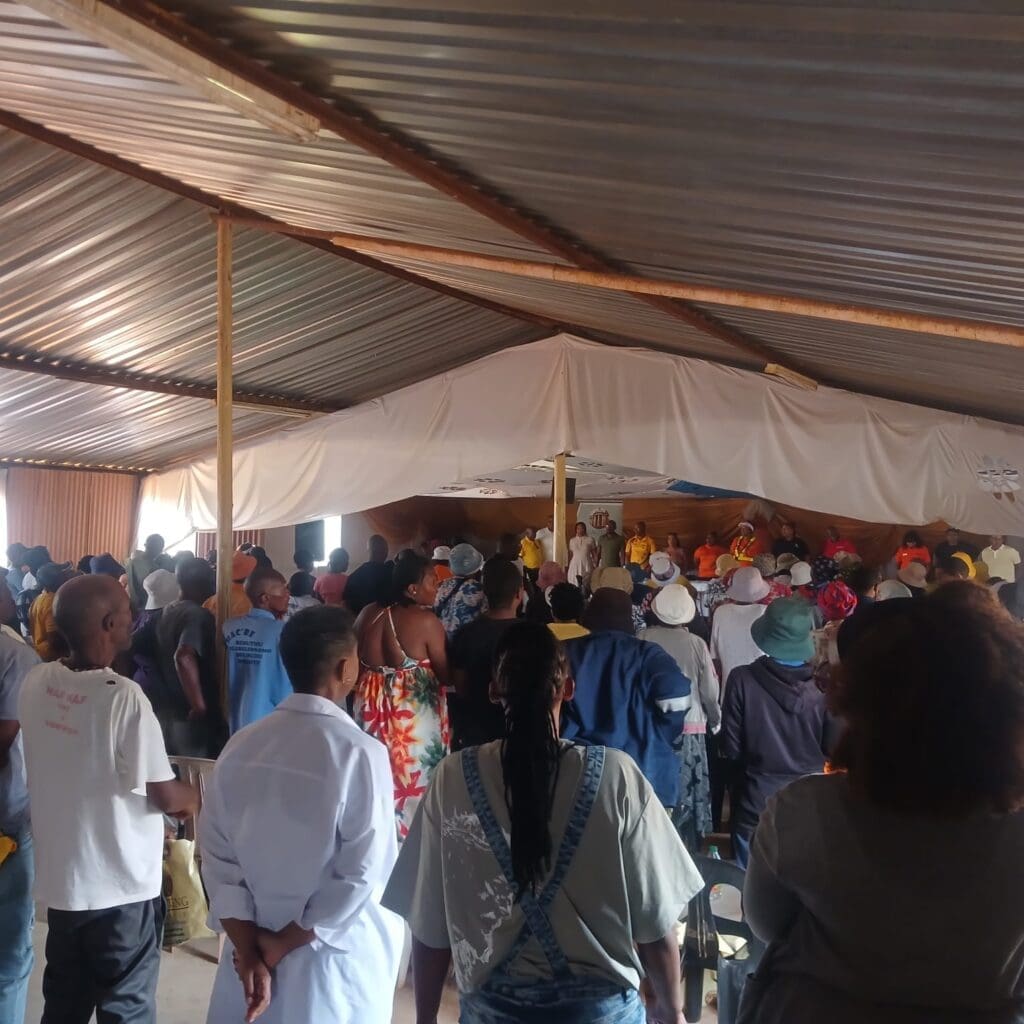
Tshepong residents unite with police to break the silence on gender-based violence
A united effort to combat gender-based violence (GBV) brought police, government departments and community organisations together in Tshepong Phase 2 on Thursday, 8 October 2026, where approximately 100 residents were equipped with information about their rights, legal protection and available support services.
The awareness dialogue, hosted by the Parliamentary Constituency Office and Gauteng Legislature, saw De Deur SAPS and Vereeniging SAPS joining forces with the Department of Community Safety, Department of Social Development, Department of Health and various non-profit and non-governmental organisations.
The initiative aimed to address the challenges faced by victims of abuse, particularly those who may not know where to seek assistance or how to access legal protection. During the engagement, residents were encouraged to recognise different forms of abuse, report incidents to the police and seek assistance from organisations providing support to victims of violence, crime and substance abuse.
A key focus of the campaign was educating community members about Protection Orders and Harassment Orders, including how these legal measures can be used to protect individuals experiencing abuse, threats or intimidation. The dialogue also created an opportunity for residents to learn about the roles of different government departments and community-based organisations in responding to GBV. By bringing these stakeholders together, the initiative sought to make support services more visible and accessible to people who may otherwise struggle to find help.
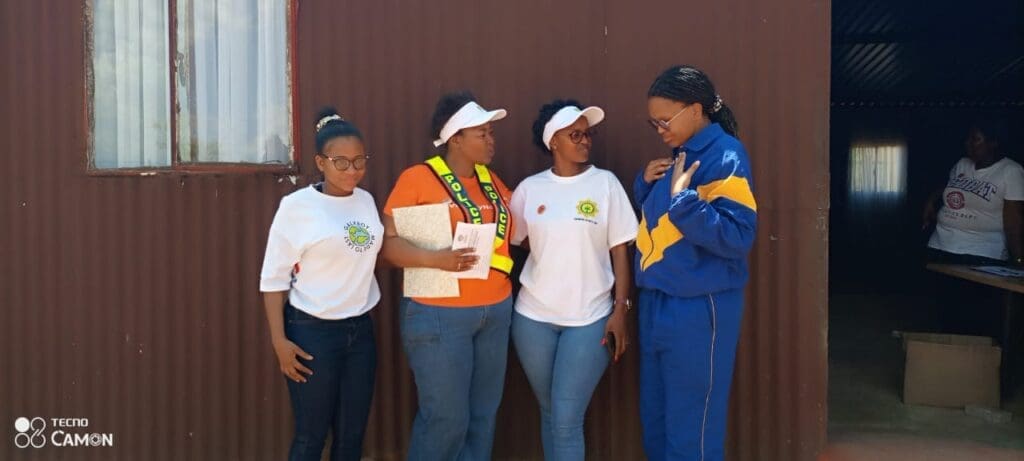
De Deur SAPS welcomed the campaign and emphasised the importance of making community awareness programmes a regular part of efforts to address violence and abuse. Police encouraged residents to attend similar initiatives, noting that understanding the law and knowing where to turn for assistance are important steps towards protecting vulnerable community members. The involvement of social development, healthcare and community organisations also highlighted the need for a coordinated response that goes beyond police intervention. While reporting abuse is essential, victims may also require healthcare, counselling, social assistance and ongoing support to help them recover and rebuild their lives.
The campaign reached approximately 100 people, providing an opportunity to share information about available assistance and encourage greater community involvement in preventing gender-based violence. However, the number of people reached does not establish whether reporting rates have improved or whether more victims have successfully accessed support services. Continued awareness, accessible assistance and follow-up engagements remain important to achieving lasting results. De Deur SAPS urged community members not to remain silent about abuse and to familiarise themselves with the legal protections available to them.
Residents experiencing abuse are encouraged to report incidents to SAPS and seek assistance through relevant government departments and local support organisations. The initiative reinforced the message that addressing gender-based violence requires cooperation between law enforcement, government institutions, community organisations and residents.


